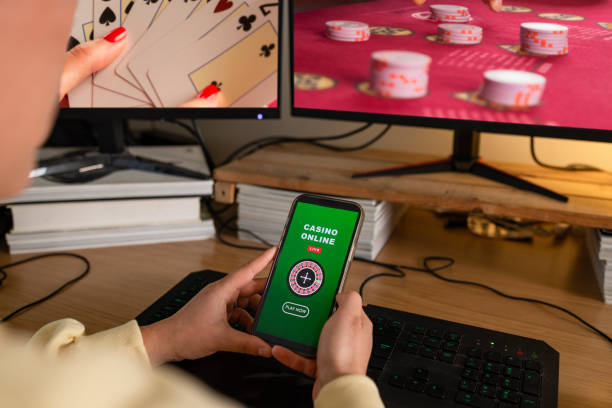
Digital Wagering Hubs: A Modern Player’s Guide
Top Online Casino Guide for 2025 Best Games Bonuses and Safe Play

Online casinos have revolutionized the gambling industry, offering players instant access to thousands of games from the comfort of their own homes. With cutting-edge technology, secure payment methods, and live dealer experiences, these platforms deliver a premium gaming experience that rivals traditional brick-and-mortar establishments. Whether you’re a seasoned player or a curious newcomer, the digital gaming sphere provides unparalleled convenience, excitement, and the potential for substantial rewards.
Digital Wagering Hubs: A Modern Player’s Guide
Digital wagering hubs have revolutionized how players engage with their favorite pastimes, offering unprecedented convenience and a vast array of options at your fingertips. To navigate this dynamic landscape effectively, a modern player must prioritize **secure platform selection** and strategic bankroll management. Look for licensed operators with provably fair algorithms and robust encryption, ensuring your data and funds remain protected. The key to sustained success lies in leveraging welcome bonuses and loyalty programs judiciously, while always setting strict deposit limits to maintain control. By mastering these fundamentals, you transform a casual flutter into a calculated, immersive experience, maximizing both thrill and potential returns. Ultimately, informed choices and disciplined play distinguish the savvy user from the reckless gambler, making every session both safer and more rewarding.
Key Factors When Selecting a Virtual Betting Platform
Digital wagering hubs have transformed how players engage with betting, offering instant access to sportsbooks, casino games, and live dealer tables from any device. A modern player’s guide emphasizes responsible gaming tools, which include deposit limits, session timers, and self-exclusion options that reputable platforms prominently feature. Beyond safety, users should evaluate payment flexibility, withdrawal speeds, and bonus terms, since wagering requirements often dictate real profitability. Key operational areas to review before committing include:
- Licensing jurisdiction and regulatory compliance
- Supported currencies, including cryptocurrencies
- Live betting interfaces and in-play statistical feeds
- Customer support availability via chat, email, or phone
Strategic bankroll management remains the cornerstone of sustained participation, as even the most sophisticated algorithms cannot override long-term house edges. Finally, always verify that the hub uses encryption protocols and publishes independent audit results for game fairness, ensuring both data security and transparent odds calculation across all wagering verticals.
Licensing and Regulatory Oversight: What to Verify First
Digital wagering hubs have transformed how players engage with betting, offering instant access to global markets, live odds, and immersive experiences. Unlike traditional bookmakers, these platforms prioritize seamless navigation, secure transactions, and real-time data, making them essential for both novices and seasoned bettors. Responsible bankroll management remains the cornerstone of sustainable play, so start by setting strict deposit limits and researching platform licenses before committing funds. Key features to evaluate include payout speed, customer support availability, and mobile compatibility for on-the-go wagers. Many hubs also provide live streaming, cash-out options, and algorithm-driven recommendations to sharpen your strategy. Always compare odds across multiple sites to maximize potential returns. Ultimately, the modern player thrives by blending analytical tools with disciplined habits, turning each session into a calculated, thrilling pursuit rather than a random gamble.
Game Libraries: From Live Dealers to Progressive Jackpots
Digital wagering hubs have revolutionized how players engage with betting, offering unprecedented convenience and a vast array of options. To succeed in this dynamic environment, you must prioritize licensed platforms that guarantee fair play and secure transactions. Choosing a verified online casino is the cornerstone of a safe experience, as it protects your funds and personal data from malicious actors. Beyond security, savvy players leverage welcome bonuses and loyalty programs to extend their bankroll, but always scrutinize wagering requirements before committing. Speed of payouts and the quality of customer support are non-negotiable markers of a top-tier hub. By aligning your strategy with these core principles—licensing, transparency, and bankroll management—you transform casual play into a calculated, rewarding pursuit.
Bonuses and Promotions: Unpacking Wagering Requirements
Digital wagering hubs have transformed from sterile interfaces into vibrant arenas where strategy meets serendipity, offering a modern player a cockpit of control. The first lesson is vetting **secure payment methods for online gambling**, as your digital wallet is the lifeline of the session—look for e-wallets or crypto options that settle instantly. Beyond deposits, the real art lies in reading the rhythm of the platform: live dealer lobbies pulse with human tension, while algorithm-driven slots whisper their own erratic beats. A savvy player navigates by setting hard loss limits before the first click, treating bonus offers as bait, not bounty. Ultimately, these hubs reward patience—the ones who treat every spin as a calculated narrative, not a desperate gamble, walk away with the sharpest edge.
Mobile Compatibility and User Experience in Remote Gambling
Mobile compatibility is no longer a luxury but the defining pillar of success in remote gambling, directly shaping user experience and retention. With over 70% of wagers now placed via smartphones, platforms that fail to deliver seamless, responsive design lose their competitive edge instantly. A truly optimized mobile experience means lightning-fast load times, intuitive one-handed navigation, and adaptive interfaces that scale from a 5-inch screen to a tablet without pixel distortion. Moreover, mobile-first gambling optimization ensures secure payment gateways and real-time game streaming, eliminating frustrating lag during live bets. This frictionless flow builds trust and keeps players engaged for longer sessions, directly boosting lifetime value. Conversely, clunky menus or crash-prone apps drive users to rival operators. Therefore, investing in rigorous cross-device testing and touch-responsive controls is not optional—it is the non-negotiable foundation for market leadership. Responsive gaming interfaces are the silent salespeople of any modern gambling brand.
Q&A: Does a poor mobile experience really affect player loyalty? Absolutely—statistics show that 53% of users abandon an app if it takes over three seconds to load. A frictionless mobile design is the single strongest predictor of repeat deposits and positive reviews.
Native Apps Versus Browser-Based Play: Pros and Cons
Mobile compatibility is no longer a feature but the foundational pillar of modern remote gambling, directly dictating player retention and revenue. A seamless, responsive interface that adapts flawlessly across smartphones and tablets ensures that high-stakes actions like live betting or cashier transactions occur without lag or fatal errors, which are the primary drivers of user abandonment. Native app performance and browser-based HTML5 optimization must work in tandem to deliver crisp graphics, intuitive touch controls, and instant load times, even on slower 4G networks. Ultimately, superior user experience on mobile reduces friction, builds trust, and converts casual players into loyal, high-frequency depositors by making every swipe and tap feel safe, private, and effortlessly rewarding.
Payment Methods: E-Wallets, Cryptocurrencies, and Payout Speed
Mobile optimization is no longer optional for remote gambling platforms; it is the primary gateway for player retention and revenue. A seamless experience demands more than a responsive layout—it requires gesture-based navigation, instant load times, and battery-efficient rendering, especially for live dealer streams. Mobile-first user experience directly impacts wagering frequency and trust. Key friction points to audit include:
- Touch-target sizing (minimum 48px) for bet slips and cash-out buttons.
- Secure session persistence across network switches (Wi-Fi to 5G).
- Biometric login and one-tap deposit shortcuts to reduce drop-off.
Always test on mid-range Android devices, not just flagship iPhones, as heat throttling can stall live odds updates.
Q&A:
Q: Should I build a native app or a PWA?
A: For regulated markets with high bonus churn, a PWA reduces install friction, but native apps are better for haptic feedback on in-play notifications.
Security Protocols: Encryption, Fairness Audits, and RNG Certification
Mobile compatibility is the decisive battleground for remote gambling, where the user experience must be flawless or players will abandon the platform instantly. A responsive design that adapts to any screen size, coupled with native app performance, ensures that spins, card deals, and live dealer streams operate without lag or visual distortion. Seamless mobile optimization directly drives player retention and revenue, as the majority of wagers now originate from smartphones and tablets. Critical elements include one-touch deposits, biometric login for speed, and portrait-mode layouts that keep controls within thumb’s reach. Push notifications for bonuses must be permission-based, not intrusive, while battery drain and data usage should be minimized through efficient coding. Regardless of device—iOS, Android, or hybrid—the gameplay must feel identical to desktop, with touch response times under 100 milliseconds.
A single second of loading delay on mobile can cost you a high-value player permanently.
- Instant-play HTML5 over heavy app downloads
- Landscape and portrait adaptive interfaces
- Offline balance check and transaction history
Bankroll Management Strategies for Virtual Gaming
Effective bankroll management is the cornerstone of longevity in virtual gaming, where rapid-fire rounds can decimate an unprepared wallet. The first rule is to allocate a dedicated gaming fund—money you can afford to lose—and never chase losses with emotional top-ups. Seasoned players employ the percentage method, staking only 1-5% of their total bankroll per session, ensuring a losing streak doesn’t wipe out your capital. For high-volatility virtual titles, lower your stake size to survive the inevitable dry spells, while capitalizing on bonus rounds when variance swings your way. Crucially, establish strict win-loss limits: lock in profits after a 20% gain and walk away after a 15% dip. Treat your bankroll management like a professional trader would, not a gambler—this discipline transforms chaotic sessions into calculated, sustainable entertainment. By tracking your results and adjusting stakes based on performance, you build a resilient framework that maximizes fun and minimizes financial stress.
Setting Loss Limits and Time-Out Features
Effective bankroll management is the cornerstone of long-term success in virtual gaming, transforming casual play into a disciplined, strategic endeavor. The golden rule is to wager only a fixed, small percentage of your total bankroll per session—typically 1-3%—which shields you from devastating losing streaks while maximizing growth potential. Always set a strict daily loss limit and a clear profit target, then walk away the moment you hit either, preventing emotional decisions that erode gains. Diversify your stakes across multiple game titles to mitigate variance, and never chase losses by increasing bet sizes impulsively. By treating your virtual currency as a serious investment rather than disposable fun, you build resilience and ensure the game remains entertaining, not financially destructive. Sustainable bankroll growth is achieved through consistent, pre-planned wagering, not luck-driven impulse.
Understanding House Edge and Return-to-Player Percentages
Effective bankroll management in virtual gaming is the cornerstone of long-term sustainability, separating disciplined players from those who gamble recklessly. The core principle is to allocate a fixed, separate fund—your bankroll—that you can afford to lose entirely, then divide it into smaller session stakes. A common strategy is the percentage method, where you wager only 1-5% of your total bankroll per bet, ensuring that a losing streak doesn’t wipe you out. This approach allows you to withstand variance and capitalize on winning trends without emotional decision-making. Disciplined stake sizing protects your capital and extends your playtime, which is vital for any serious virtual gamer.
Your bankroll is not money; it is ammunition for strategic survival—never risk it on impulse.
Implementing clear rules is non-negotiable. Always set win and loss limits before you start; for instance, stop playing if you lose 20% of your session bankroll or double your initial stake. Below is a simple breakdown of common allocation models:
- Fixed Percentage: Bet 2% of current bankroll each round, recalculating after every win or loss.
- Unit System: Define a “unit” (e.g., $5) and wager 1-3 units based on confidence level.
- Stop-Loss Cap: Hard exit after losing 30% of your total bankroll for the day, with no exceptions.

Finally, track every transaction. Without a written record of wins, losses, and bet sizes, you are flying blind. Review your performance weekly and adjust your stakes downward if your win rate drops below 40%. Consistent review and rule adherence turn luck into a calculated edge, but only if you treat virtual gaming as a marathon, not a sprint. Resist the urge to chase losses—that is the fastest route to ruin.
Progressive Betting Systems: Martingale and Fibonacci in Practice
Effective bankroll management in virtual gaming hinges on pre-committing to a fixed loss limit and a session cap, preventing emotional chases after rapid-fire outcomes. Bankroll management strategies for virtual gaming typically involve staking a small percentage (1–3%) of your total funds per bet, ensuring variance does not wipe out your balance during a losing streak. Use a structured approach: set a daily budget, divide it into units, and stop once the units are gone or a profit target is hit. Tracking every wager in a log helps identify patterns and adjust stake sizes. No strategy guarantees wins, but disciplined sizing preserves your capital for future sessions. Avoid increasing bets after losses, as this accelerates ruin. Instead, maintain flat or proportional staking, and periodically withdraw profits to separate bankroll from disposable income. Consistent small edges compound only when losses are capped.
Live Dealer Experiences: Bridging Physical and Digital Tables
Live dealer experiences have revolutionized online gaming by seamlessly merging the tactile authenticity of brick-and-mortar casinos with the unrivaled convenience of digital platforms. Through high-definition video streaming, professional croupiers interact with players in real time, dealing cards and spinning roulette wheels while chat functions foster genuine social connection. This hybrid model eliminates the skepticism often associated with RNG-based games, offering verifiable, human-driven outcomes that rebuild trust. The result is an immersive atmosphere where the thrill of a physical table—the murmur of chips, the dealer’s glance—translates perfectly to any screen. Live dealer technology now stands as the gold standard for premium iGaming, while real-time interactive play ensures every hand feels personal and urgent. Whether you’re at home or on the move, the boundary between land-based and virtual play dissolves completely.
No algorithm can replicate the electric tension of watching a human hand reveal your fate—that is the irreplaceable soul of live dealing.
Streaming Quality and Interaction Tools for Real-Time Play
Live dealer games are the closest thing to a real casino you can get from your couch. You’re watching a human shuffle, spin, and deal in real-time, while the chat box lets you banter with the table—it’s the social buzz of a brick-and-mortar floor, minus the commute. This immersive setup blends HD streaming with game logic, so you get the thrill of a physical table and the convenience of digital betting. Live dealer experiences are reshaping online gambling by making every hand feel personal and unpredictable. The tech isn’t perfect—lag can happen, and you’re still at a screen—but the dealer’s smile and the audible chip shuffle do a lot of heavy lifting.
The real magic isn’t the realism—it’s the trust that comes from watching a human, not an algorithm, decide your fate.
- Real cards, real wheels, real humans—no RNG shortcuts.
- Chat features let you tip, joke, and react like you’re at a felt table.
- Multiple camera angles keep the action clear and transparent.
Whether you’re a high roller or a casual player, the hybrid vibe hits different when you’re waiting for that third card. You’re not just clicking buttons; you’re part of a moment. And that’s the secret sauce—bridging the physical and digital, without losing the soul of the game.
Popular Live Game Variants: Blackjack, Roulette, and Baccarat
Live dealer platforms integrate real-time video streaming with interactive software, enabling players to wager on physical tables from remote devices. This hybrid model replicates the social cues of a land-based casino—dealers shuffle, spin, and chat—while digital interfaces handle bets, statistics, and side bets. The result is a seamless transition between tactile and virtual play, reducing the trust gap often associated with algorithm-only games. Real-time human interaction is the core differentiator, as latency is minimized to under a second, and multiple camera angles mimic the ocular experience of sitting at a felt table.
Key operational elements include:
- Optical character recognition (OCR) to digitize card values and roulette outcomes instantly.
- Game control units (GCU) that encode dealer actions into data streams without delay.
- Bettor-side chat and tipping features, preserving the social economy of physical venues.
Q: Do live dealer games use random number generators (RNG)?
A: No—outcomes are determined by physical tools (cards, wheels, dice). The software only captures and transmits the result, unlike purely RNG-based virtual games.

Etiquette and Speed of Play in Live-Streamed Sessions
Live dealer experiences have revolutionized online gaming by merging the authenticity of a physical casino with the convenience of digital play. Through high-definition video streaming, professional croupiers interact with players in real-time, dealing cards and spinning roulette wheels while chat functions foster social connection. This hybrid format eliminates the isolation of traditional RNG games, offering the thrill of real-time casino action from any device. Advanced camera angles capture every shuffle and spin, while features like bet history and live statistics add transparency. Whether you’re on a couch or commuting, the energy of a land-based floor—complete with dealer banter and table-side suspense—translates seamlessly to your screen. It’s not just a game; it’s an immersive bridge between worlds.
Responsible Gambling Tools and Self-Exclusion Options
In a quiet corner of the casino floor, a regular player named Marcus once realized his nightly ritual was drifting into dangerous waters. Instead of walking away, he discovered a lifeline: the platform’s **responsible gambling tools**, which let him set deposit limits, session reminders, and cooling-off periods—small digital fences that kept his hobby from becoming a habit. When he needed a firmer boundary, he activated the **self-exclusion options**, locking himself out for thirty days. That pause gave him clarity, turning a spiral into a reset. These features aren’t just menus; they’re a hand on your shoulder, whispering that the game should serve you, not own you. Every player deserves such a safety net.

Deposit Caps, Session Reminders, and Reality Checks
Even the most seasoned player knows the thrill of a good streak—but true mastery lies in knowing when to step back. Responsible gambling tools are the quiet guardians of that balance, offering real-time limits on deposits, losses, and session time before the fun ever frays into frustration. Consider self-exclusion not as a ban, but as a personal reset button: a voluntary pause that gives your mind the space to breathe. A friend of mine, after a rough month, used a cool-off period for 30 days; when he returned, the reels felt exciting again, not desperate. These features—deposit caps, reality checks, and full account exclusion—aren’t barriers. They’re lifelines. The strongest players aren’t the ones who never lose, but the ones who always choose their own limits. In that choice, the game stays a game.
Recognizing Problem Gambling Signs in Yourself and Others
Responsible gambling tools empower players to maintain control over their wagering behavior through deposit limits, session timers, and reality checks that prompt breaks during gameplay. These mechanisms, combined with loss caps and wagering trackers, allow users to set personalized boundaries before engaging with any platform. Self-exclusion programs are a critical safety net for individuals seeking a formal break from gambling. Such options typically include temporary cool-off periods ranging from 24 hours to six weeks, as well as multi-year exclusions that block access across all licensed operators. Most jurisdictions require operators to prominently display these tools within account settings. For effective implementation, users may also choose to activate third-party blocking software alongside platform-native features. The effectiveness of these measures depends on consistent, honest self-assessment of one’s habits. Ultimately, these tools are designed not to restrict enjoyment unnecessarily, but to promote sustainable, conscious participation in regulated gambling environments.
Support Networks and Helplines for Digital Bettors

Responsible gambling tools are your first line of defense for maintaining control, offering features like deposit limits, session timers, and reality checks that keep play within healthy boundaries. Self-exclusion programs provide a robust safety net for those needing a more decisive break, allowing you to block access to your account for a chosen period—from 24 hours to several years or even permanently. These mechanisms are not about restriction but empowerment, placing the power firmly in your hands. Many platforms now integrate these options seamlessly, and some even enforce cross-operator exclusion, meaning your block extends across multiple sites. Importantly, these tools are backed by verified research showing they reduce harm when used proactively. You can typically find them in your account settings under “Responsible Gambling” or “Player Protection.” Combined with reality checks and loss limits, this toolkit creates a transparent, safe gambling environment where entertainment never escalates into distress. Take charge today; your future self will thank you for it.
Geolocation and Legal Landscapes for Internet Staking
Geolocation is quietly reshaping the legal landscape for internet staking, and it’s a wild ride. Essentially, your physical location—not just your IP address—can make or break your ability to earn rewards. Regulators in places like the U.S., China, and parts of the EU have cracked down on staking services, labeling them as unregistered securities or outright bans. That means platforms now use GPS, Wi-Fi triangulation, and IP checks to block users from restricted zones. But here’s the catch: virtual private networks (VPNs) and residential proxies often blur these lines, creating a cat-and-mouse game. For average users, this translates to sudden geo-fencing pop-ups, frozen yields, or even account suspension if you travel. Legal compliance with geolocation data is now a core feature, not an afterthought. Meanwhile, the future of cross-border staking hinges on clearer rules—think localized licenses or dynamic KYC tied to real-time location. It’s messy, but knowing where you stand (literally) is step one.
Q: Can I use a VPN to stake from a restricted country?
A: Technically yes, but platforms often detect VPNs via latency and blacklisted IP ranges. If caught, you risk losing accumulated rewards or your principal. Not worth it.
Q: Does moving states within the U.S. affect my staking?
A: Yes, especially if you move from a permissive state (like Wyoming) to a restrictive one (like New York). Your stake may be paused until you return or prove residency elsewhere.
State-by-State Regulations in the U.S. Market
Geolocation is the invisible referee in the world of internet staking, quietly deciding who gets to play based on where their IP address sits on a map. Because crypto staking laws vary wildly—from outright bans to friendly regulatory sandboxes—platforms must filter users by jurisdiction to stay compliant. Regulatory compliance hinges on precise geolocation data, so your VPN might get you blocked, not rewarded. For example, the EU’s MiCA framework treats staking as a service, while some US states label it a security, and China simply says no. Without real-time IP checks and VPN detection, a staking platform risks heavy fines or losing its license. The result? A fragmented map where your stake’s legality changes with your zip code.
Your digital location is the first filter between you and your staking rewards—ignore it and you’re betting blind.
- IP-based geo-fencing is the primary tool for enforcing local staking rules.
- VPN and proxy detection helps platforms avoid accidental cross-border violations.
- Legal clarity remains scarce, Casinoreviews.net forcing platforms to over-block rather than risk penalties.
Offshore Platforms: Risks and Benefits for International Players
Geolocation is reshaping the legal landscape for internet staking, turning jurisdictional boundaries into a critical compliance battleground. Regulators increasingly use IP-based location checks, GPS data, and VPN detection to enforce local securities laws, meaning staking platforms must pinpoint user coordinates with surgical accuracy. Regulatory fragmentation across global markets forces operators to navigate a patchwork of rules—from the SEC’s aggressive classification of staking-as-a-security in the U.S. to the EU’s MiCA framework permitting staking under licensed oversight, while Asia’s hubs like Singapore demand tiered disclosure. Non-compliance triggers severe penalties: fines, asset freezes, and outright bans. Consequently, geo-fencing technologies now gate access to staking pools, dynamically adjusting yields and voting rights based on user location. This creates a paradox where the borderless promise of blockchain collides with territorial law enforcement, pushing platforms to adopt real-time geolocation audits and jurisdiction-specific smart contract logic.
Age Verification and Identity Checks: Streamlining KYC Processes
When Elena first staked her crypto, she never imagined that her physical address could dictate her digital earnings. In the sprawling legal landscape of internet staking, geolocation isn’t just a map pin—it’s a regulatory gatekeeper. From the SEC’s crackdowns in the U.S. to MiCA’s harmonized rules in Europe, every jurisdiction draws its own boundaries around proof-of-stake rewards. **Compliance with regional staking regulations** determines whether a protocol can serve New Yorkers or must block them outright. Elena learned that IP checks and VPN detection aren’t paranoia; they’re lifelines. In Asia, token classification shifts monthly, while Middle Eastern hubs court innovation with sandboxes. Her takeaway: before staking, map your digital footprint against local laws, or your passive income could turn into a legal liability.
Emerging Tech Trends Shaping Virtual Casinos
Virtual casinos are getting a major tech upgrade, and it’s all about making gameplay feel more real, fast, and social. The biggest buzz is around AI-driven personalization—think smart systems that learn your betting style and suggest games you’ll actually love, while also spotting problem gambling patterns early. Meanwhile, **blockchain technology** is quietly revolutionizing trust, with provably fair games and instant crypto payouts that cut out middlemen. And for immersion, VR headsets are finally hitting mainstream price points, letting you walk up to a digital blackjack table and chat with dealers like you’re in Vegas. Add in live-streamed games with 4K quality and haptic feedback chairs, and the line between physical and virtual is blurring fast. It’s not just about flashy graphics—it’s about creating a seamless, secure, and genuinely entertaining escape.
Q: Will these trends make online casinos safer?**
A: Yes, especially blockchain and AI—they improve transparency and add responsible-gambling tools, but always choose licensed sites.
Virtual Reality Tables: Immersive Gaming Environments
As the sun sets on traditional gambling floors, virtual casinos are rewriting the rules of engagement through a tapestry of immersive gaming technology. Artificial intelligence now whispers personalized bonuses in real time, while blockchain ledgers etch every bet into an unbreakable public record—turning trust into a mathematical certainty. The true revolution, though, arrives with spatial computing, where players don lightweight headsets and step into neon-soaked lounges, hearing the clink of chips from a virtual cocktail table beside them. Haptic gloves transmit the pulse of a spinning wheel, and live dealers, rendered in holographic glory, remember your name across sessions. This isn’t just play; it’s a hybrid reality where data streams and human intuition collide, crafting an arena where every visit feels like a debut, yet comfortably familiar—a digital frontier that adapts, anticipates, and seduces.
AI-Powered Personalization and Predictive Bonus Offers
The neon glow of the virtual casino floor is shifting, no longer just a flat screen but a living, breathing dimension. Today, players step into lobbies rendered in real-time, where AI-driven dealers remember their names and past wagers, crafting a personalized narrative for every visit. This evolution is powered by a quiet revolution in immersive gaming technology, blending haptic feedback suits with spatial audio that makes the spin of a roulette wheel feel tangible. Blockchain isn’t just for currency anymore—it’s a transparent ledger of every shuffle and deal, building trust in a world built on chance. Meanwhile, 5G and edge computing have killed the lag, so the action flows as smoothly as a river current.
“The next great jackpot won’t be won on a screen—it will be experienced through a doorway into another world.”
- AI Personalization: Bots adapt difficulty and rewards to your play style in real time.
- AR Overlays: Your physical coffee table becomes a craps table with projected dice.
- Biometric Integration: Heart rate monitors adjust game pace for peak excitement without tilt.
But the sharpest edge of this trend is the rise of social VR casinos, where you see your friend’s avatar gasp as the cards flip. It strips away the loneliness of solo gambling, replacing it with a shared, heart-pounding theater of risk and reward. The house still has an edge, but now it’s dressed in cinematic spectacle, pulling you deeper into a story where every hand writes a new chapter.
Blockchain-Based Provably Fair Systems in Modern Wagering
Virtual casinos are rapidly integrating cutting-edge technologies to deliver hyper-immersive, secure, and personalized gaming experiences. The most transformative force is AI-driven behavioral analytics, which creates real-time player profiles to tailor game suggestions, bonus structures, and responsible-gambling interventions—making **personalized gaming experiences** the new standard for player retention. Meanwhile, blockchain smart contracts now enable provably fair outcomes and instant, transparent payouts, eliminating trust barriers. Virtual reality (VR) is maturing beyond gimmicks, with haptic suits and eye-tracking gloves allowing players to physically interact with dealers and tables in 3D social lounges. To stay competitive, operators should prioritize these three pillars:
- Generative AI for dynamic narrative slots
- Edge computing to reduce latency in live dealer streams
- Quantum-resistant encryption for asset custody
Adopting this stack now positions platforms for the next regulatory wave.
Tournaments and Competitive Play in Digital Gambling
Tournaments and competitive play have revolutionized digital gambling, transforming solitary wagers into electrifying arenas of skill and strategy. Unlike casual betting, these structured competitions—ranging from poker showdowns to slot leaderboards—demand tactical bankroll management and psychological fortitude, offering exponentially larger prize pools that dwarf standard payouts. The modern gambler is no longer a passive player but a calculated contender, leveraging real-time analytics and opponent profiling to gain edges. Online gambling tournaments create dynamic ecosystems where ranking systems foster loyalty and recurring engagement, while competitive betting platforms use live ladders and elimination rounds to amplify adrenaline. The financial allure is undeniable, yet the true currency is prestige—climbing a global leaderboard delivers a status that static jackpots cannot.
In this high-stakes arena, only those who treat play as a disciplined profession will consistently outlast the casual crowd.
This shift toward gamified rivalry ensures that profits are earned through proficiency, not mere chance, cementing tournaments as the defining pillar of modern digital wagering.
Slot Races, Leaderboards, and Seasonal Prize Pools
Tournaments and competitive play in digital gambling have evolved into structured formats where participants vie for prize pools through skill-based or chance-driven challenges. These events often operate on fixed entry fees, leaderboard rankings, and elimination rounds, distinguishing them from casual betting. Online poker tournaments remain the most prominent example, but sportsbook and casino platforms now host daily fantasy contests, slots races, and blackjack leaderboards. Scheduling varies from multi-day bracketed events to rapid sit-and-go sessions, with real-time analytics tracking player performance. Player liquidity and reward distribution heavily influence tournament viability across regulated markets. Key advantages include increased engagement, predictable revenue streams, and community building, but risks involve collusion, chip dumping, and problem gambling exposure. Some jurisdictions impose wagering caps or require responsible gaming tools for competitive play.
Poker Series and Multi-Table Formats for High Rollers
In the neon-lit world of online casinos, tournaments have transformed solitary betting into a pulse-quickening arena where players clash for leaderboard supremacy. Unlike casual spins, these digital gladiators race against a ticking clock, stacking points through slot volatility or poker hand strength, with the top finishers splitting a glittering prize pool. The drama unfolds in real-time: a late-night surge can topple a day-long leader, while a single bad beat can send a contender tumbling from contention. The best competitors treat each tournament as a psychological chess match, not just a gamble. Competitive play adds a layer of strategy—bankroll pacing, game selection, and knowing when to chase multipliers. For newcomers, low-stakes freerolls offer a taste of the adrenaline without the financial sting, while high-roller events demand nerves of steel. This fusion of luck and skill creates a sticky, addictive loop that keeps players returning for the next virtual crown, making tournaments the modern coliseum of the betting world.
Freerolls and Qualifiers: Entry Strategies for Casual Players
Tournaments and competitive play have revolutionized digital gambling, transforming solitary betting into a high-stakes arena where skill meets strategy. Unlike casual wagering, these structured competitions—ranging from poker leaderboards to slot battles—reward consistency and tactical decision-making, offering players a shot at massive pooled prize funds that dwarf standard payouts. **Real-money esports betting** now thrives within this ecosystem, as platforms host daily, weekly, and seasonal events with tiered entry fees to suit every bankroll. The competitive format intensifies engagement: you aren’t just playing the house, you’re outsmarting hundreds of rivals in real time. With transparent leaderboards, knockout rounds, and bonus multipliers for top finishers, tournaments deliver an adrenaline rush that passive play cannot match. For serious gamblers, this isn’t a gamble—it’s a calculated campaign for dominance and profit.
Customer Support Quality in Online Betting Services
Customer support quality in online betting services hinges on three pillars: response velocity, resolution accuracy, and channel versatility. Elite operators prioritize live chat with sub-60-second queue times, backed by AI triage that routes complex account or payout disputes to human specialists. Crucially, support agents must verify bet settlement rules and responsible gambling limits without scripted ambiguity, as miscommunication directly impacts trust and regulatory compliance. For high-stakes users, dedicated account managers with direct phone access are non-negotiable. Avoid platforms that rely solely on email or chatbots; test their escalation path during peak sports events. Multilingual support with localized payment knowledge is a strong indicator of maturity. Ultimately, measure quality by whether the first contact resolves the issue, not by scripted politeness.
Q: What red flags indicate poor support?
A: Delayed responses beyond 24 hours, generic copy-paste replies that ignore your bet slip details, and refusal to provide a ticket ID for audit trails. Also, any pressure to close a dispute quickly without documenting the outcome is a compliance warning.
Live Chat Response Times and Multilingual Assistance
Customer support quality in online betting services is the invisible safety net that separates trusted platforms from forgettable ones. When real money is on the line, players demand instant, empathetic, and accurate responses—whether it’s a stalled withdrawal, a bonus dispute, or a technical glitch during live play. Proactive player protection through responsive support is now a core competitive advantage, not just an afterthought. Top-tier operators blend multiple channels—24/7 live chat, email, and phone—with AI-driven first response, then escalate complex cases to human agents within minutes. They also track key metrics like first-contact resolution and average response time, while training agents to handle both technical and emotional stress with equal composure.
“A single unanswered ticket can cost thousands in lifetime player value.”
Beyond speed, the best services offer proactive outreach—flagging unusual betting patterns, confirming identity before payouts, and explaining wagering requirements in plain language. They also use post-interaction surveys to refine scripts and empower agents with decision-making autonomy. This drives loyalty, reduces regulatory complaints, and builds genuine trust in an industry where skepticism is the default.
- Average response time under 60 seconds
- First-contact resolution above 85%
- Accessible via live chat, phone, and social media
Dispute Resolution Channels and Complaint Procedures
Customer support quality in online betting services is the bedrock of player trust and long-term retention. In an industry where real money and split-second decisions collide, a responsive, knowledgeable support team transforms a stressful issue into a seamless resolution—whether that’s verifying a withdrawal delay or clarifying bonus wagering terms. The best platforms blend 24/7 live chat with dedicated email escalation, ensuring that real-time betting assistance is never more than a click away. Top-tier support also anticipates problems: proactive alerts about payment failures, self-help FAQs for common account queries, and multi-language coverage for global users. Agents must balance empathy with compliance, clearly explaining responsible gambling tools without sounding robotic. Ultimately, a betting site’s support desk is its front-line reputation; fast, accurate, and courteous responses directly correlate with higher player lifetime value and lower churn rates.
FAQ Databases and Self-Help Resources for Common Issues
Customer support quality in online betting services is the decisive factor that separates trusted platforms from risky ones, directly influencing player retention and brand reputation. A top-tier support team resolves payment disputes, verification issues, and technical glitches with speed and empathy, often within minutes via live chat or 24/7 hotlines. Operators must prioritize multilingual agents, transparent escalation paths, and proactive problem-solving—not scripted replies. Reliable customer support in betting platforms also includes clear FAQ databases and self-service tools for balance checks or bet settlement queries. Betting sites that invest in rigorous QA monitoring, ticket response time benchmarks, and post-interaction satisfaction surveys consistently outperform competitors. Without this backbone, even the best odds fail to build loyalty. Always verify support responsiveness before depositing funds—because when a withdrawal stalls, your only ally is a competent, accountable support agent who acts decisively.
Social Features and Community Dynamics in Virtual Casinos
Modern virtual casinos have evolved far beyond solitary gameplay, with social features now serving as the primary engine for player retention and organic growth. Platforms integrate live dealer lobbies with real-time chat, allowing participants to converse with dealers and fellow gamblers, which replicates the banter of a physical floor while eliminating geographical barriers. Peer-to-peer tournaments, shared jackpot pools, and clan or guild systems foster a competitive yet collaborative atmosphere, where high rollers mentor novices and regulars form loose alliances to strategize on slot volatility or blackjack deviations. This community dynamic significantly impacts trust, as visible player activity and public win notifications act as social proof, validating the casino’s fairness. Moreover, in-game emotes, avatar customization, and VIP lounges create status hierarchies, encouraging spending for recognition.
Q: Should I actively engage in casino chat rooms for better odds?
A: No—chat won’t alter RNG outcomes, but it does improve long-term bankroll discipline through shared tips on bonus terms and game variance. Use the community for strategy, not superstition.
Chat Rooms, Forums, and Player-to-Player Interactions
Inside the neon glow of a virtual casino, the clatter of digital chips is never solitary—it’s a chorus of avatars, live chats, and shared jackpot chases. Players gather around tables not just for cards, but for the banter that turns a spin into a story. The best social casino experience thrives on multiplayer tournaments where strangers become rivals, then friends, trading emotes and strategies in real-time. Guilds form around streaks, with members cheering each other’s big wins and commiserating over near-misses, while VIP lounges become quiet corners for high-roller confessions. Leaderboards spark daily rivalries, and gifting mechanics let players send virtual drinks to tilt the mood. It’s a fragile ecosystem—moderators watch for toxic outbursts, but the community usually polices itself, because everyone knows that a hostile room empties fast. When the dice settle, what keeps you returning isn’t the payout—it’s the person on the other screen who says, “One more round, champion?”
- Live dealer rooms blend real human interaction with digital ease.
- Clan events and shared missions boost collective loyalty.
- Emote and sticker systems replace awkward small talk.
Q: Can you win real friends in a virtual casino?
A: Yes—many players form lasting bonds through regular table meetups and Discord side-channels, though the house always reminds you that friendship, like a bonus, has no cash value.
Sharing Wins on Social Media: Gamification and Achievements
Virtual casinos have evolved beyond solitary gameplay, integrating social features that replicate the camaraderie of physical gaming floors. Live dealer rooms with real-time chat, multiplayer poker tables, and guild-style tournaments foster direct interaction, while leaderboards and shared achievement systems create a competitive yet collaborative atmosphere. Community dynamics are further shaped by VIP clubs and forum spaces where players exchange strategies and celebrate wins. Social interaction in online gambling platforms now hinges on persistent identity systems, such as avatars and reputation scores, which encourage loyalty and peer recognition. Moderation tools and behavioral algorithms are critical, as they balance engagement with responsible gambling safeguards, preventing toxic exchanges or collusion. The result is a layered ecosystem where casual chatter, high-stakes rivalries, and mutual support coexist, making the virtual floor feel increasingly human despite its digital core.
Streaming Platforms and Influencer Partnerships in iGaming
Virtual casinos have evolved far beyond solitary spins, now thriving as bustling digital hubs where shared excitement fuels the experience. Live dealer tables with active chat windows enable real-time banter, while multiplayer tournaments create high-stakes camaraderie among global players. These platforms leverage guilds or clubs, where members exchange strategies, celebrate wins, and even compete in leaderboard challenges for exclusive perks. The strongest social glue, however, is the community-driven loyalty ecosystem, where collective milestones unlock group bonuses and daily quests feel like a shared adventure. Dynamic emotes, personalized avatars, and voice-ready lobbies further blur the line between gaming and social networking, ensuring every session feels less like a transaction and more like joining a vibrant, high-energy party that never sleeps.
VIP Programs and Loyalty Rewards for Frequent Players
VIP Programs and Loyalty Rewards for Frequent Players transform standard gameplay into an extraordinary, privileged experience. These elite tiers are meticulously designed to recognize your dedication, offering tangible value that casual players simply cannot access. By joining, you unlock a cascade of exclusive benefits, from personalized account managers and expedited withdrawals to lavish birthday gifts and tailored tournament invitations. The casino loyalty rewards system operates on a transparent points-based structure, where every wager accumulates status, fast-tracking you toward higher tiers like Gold, Platinum, or Diamond. Each level amplifies your earning potential, cashback percentages, and exclusive event access, ensuring your commitment is always proportionally rewarded. Crucially, comp points never expire in active accounts, and weekly reload bonuses keep your bankroll robust. This is not merely a perk—it is a strategic partnership where your play is consistently valued, making every session more profitable and infinitely more enjoyable. Upgrade your gaming reality today.
Tiered Status Levels: Cashback, Exclusive Gifts, and Faster Withdrawals
VIP programs and loyalty rewards are the ultimate way to level up your gaming experience, designed specifically for frequent players who want more than just basic perks. These tiers—often bronze, silver, gold, and platinum—unlock real value, from cashback on losses to exclusive monthly bonuses. The core benefit is simple: the more you play, the more you earn, with **exclusive VIP rewards for active players** including faster withdrawals, personal account managers, and invitations to real-world events. Here’s what typically scales with your status:
- Higher deposit limits and priority support
- Free spins or bonus credits on weekly reloads
- Gifts, tournament entries, or luxury merch
What makes these programs stand out is the personal touch—loyalty points never expire on most platforms, and comp points convert directly into playable cash. For casual grinders, even the entry tier beats nothing, but for high rollers, the VIP route turns regular sessions into a rewarding loop. Always check the wagering requirements tied to loyalty rewards, though, since not all perks are created equal.
Personal Account Managers and Customized Tournament Invites
VIP programs transform casual play into a rewarding partnership, offering frequent players exclusive access to personalized perks that go beyond standard bonuses. High-roller loyalty rewards typically include faster withdrawal processing, dedicated account managers, and bespoke gifts such as travel packages or premium electronics. Tiered structures—often Bronze, Silver, Gold, and Platinum—unlock escalating cashback percentages and weekly rebates, ensuring every wager accumulates tangible value. Players also enjoy invitations to private tournaments, higher betting limits, and birthday surprises curated to their preferences. These programs are designed to recognize your commitment with immediate, concrete advantages, making every session more lucrative and seamless. Whether through redeemable points or surprise upgrades, the best loyalty schemes consistently prioritize your time and bankroll, turning regular gameplay into a truly premium experience.
Comp Points Versus Real Cash: Maximizing Value from Rewards
VIP programs and loyalty rewards are the ultimate perk for frequent players, turning every session into a more valuable experience. These tiers are designed to make you feel recognized, with perks that scale as you climb—think faster withdrawals, exclusive bonuses, and dedicated account managers who actually respond. The real draw is the exclusive VIP treatment, which often includes personalized gifts, event invites, and higher betting limits that casual players never see. To get the most out of them, focus on consistent play rather than chasing huge wins—most programs reward volume and wagering activity, not luck. A quick breakdown of what to expect:
- Cashback offers that soften losses
- Priority support with reduced wait times
- Custom monthly bonuses tailored to your style
Just keep an eye on the fine print—some rewards come with wagering requirements that can be a trap. In short, a solid VIP program can stretch your bankroll further, but only if you play smart and read the terms before opting in.
Time Management and Session Planning for Digital Bettors
Effective time management and session planning are the bedrock of sustainable success for digital bettors. Treat your wagering activity as a scheduled professional engagement, not a spontaneous hobby. Before placing a single bet, define your bankroll for that specific session and set a hard loss limit, alongside a clear profit target that signals when to stop. This pre-commitment prevents emotional decision-making, which is the primary cause of chasing losses. Allocate a maximum duration, perhaps 60 to 90 minutes, and use an alarm to enforce it. Crucially, integrate mandatory breaks to step away from the screen, allowing your analytical mind to reset. By strictly adhering to this structured framework, you cultivate the financial discipline needed to protect your capital and the strategic clarity to identify value. Ultimately, mastering your schedule is as vital as mastering the odds, ensuring that responsible gambling remains at the core of your approach.
Optimal Playing Hours for Focus and Reduced Distraction
For digital bettors, structured session planning is the cornerstone of sustainable bankroll growth. You don’t gamble on impulse; you execute a pre-defined playbook. Allocate a fixed time block daily—say 60–90 minutes—when your focus is sharpest, and never extend it, regardless of wins or losses. Divide your bankroll into session stakes, and set hard stop-loss and take-profit thresholds before you log in. Track every single bet in a simple spreadsheet to audit your decisions later. Use a countdown timer as your master discipline tool. Pre-commitment removes emotional hijacking. If you chase losses or extend time, you’re no longer betting—you’re leaking capital. Stick to the schedule; treat it like a professional shift, not a hobby. This relentless structure is what separates consistent winners from recreational donors.
Balancing Entertainment with Financial Discipline
Effective time management and session planning are the bedrock of sustainable success for digital bettors, separating disciplined operators from impulsive gamblers. Before placing a single wager, you must define a clear bankroll limit, a strict time cap (e.g., 90 minutes max per session), and a specific profit goal or loss threshold—then walk away when any of these are hit, without exception. Structure every session with pre-match research, live-monitoring pauses, and a mandatory cooldown period to prevent emotional chasing. Strategic session scheduling minimizes tilt and maximizes analytical clarity, turning betting into a calculated process rather than a reactive habit. Use a simple log to track time spent, stakes, and outcomes for weekly review. The clock is your most underrated edge—respect it, and the market becomes more predictable. Never extend a losing session hoping for a comeback; instead, treat every session as a closed experiment with measurable results.
Using Analytics Tools to Track Betting Patterns and Outcomes
Mastering time management and session planning is the single most critical skill for digital bettors who aim for long-term profitability. Without a structured approach, impulsive wagers and emotional chasing will erode your bankroll faster than any losing streak. You must treat every betting session like a professional business meeting: define your objective, set a strict time limit, and predetermine your stake limits before you open any app. This discipline transforms betting from a chaotic hobby into a calculated financial strategy, ensuring that a single bad day never spirals into a catastrophic loss. Implement a non-negotiable pre-session checklist to fortify your responsible gambling framework and guarantee you only wager what you can afford to lose.
- Allocate a maximum of 60–90 minutes per session; stop immediately once the time expires.
- Set a win goal and a loss limit (e.g., +10% or –5% of your bankroll) and walk away when either is hit.
- Log every bet in a spreadsheet, including time spent, to audit your efficiency and emotional state.